


PLANNING
Planning Your African Safari
THE MAJESTIC EXPERIENCE
What to Expect on Your First Luxury African Safari
Planning your first luxury African safari is exciting, but it's also natural to have questions. For many travelers, an African safari has been a lifelong dream yet knowing where to begin can feel overwhelming. With so many destinations, safari styles, wildlife experiences, and luxury lodges to choose from, expert guidance makes all the difference.
At Majestic African Safaris, we're here to simplify the planning process and create a journey that's tailored to your travel style, interests, and expectations. Whether you're dreaming of witnessing the Great Migration in Kenya and Tanzania, tracking the Big Five in South Africa, or exploring the pristine waterways of Botswana's Okavango Delta, we'll help you select the perfect itinerary and accommodations.
Our experienced safari specialists take the time to understand what matters most to you, then design a seamless, personalized safari that exceeds your expectations from the moment you arrive until your journey home.
You'll find answers to many of our most frequently asked safari questions throughout our website. To help you get started, here are some of the questions we'll ask during the planning process, along with a few you may want to ask us as we create your unforgettable African adventure.
What Happens on Safari?
Every safari is different, which is part of what makes an African safari such an unforgettable experience. While remarkable wildlife is the highlight, a luxury safari offers so much more than game drives. It's an opportunity to immerse yourself in some of the world's most spectacular landscapes while enjoying exceptional accommodations, personalized service, and unforgettable moments from sunrise to sunset.
Game viewing typically begins early in the morning, when wildlife is most active. Accompanied by expert guides and trackers, you'll set out in specially designed safari vehicles to search for Africa's extraordinary animals, including the iconic Big Five: lion, leopard, elephant, rhinoceros, and Cape buffalo. Afternoon and evening game drives reveal a different side of the bush, with changing light, active predators, and spectacular sunsets that are often enjoyed with a traditional sundowner.
Many itineraries include stays in several safari regions, allowing you to experience diverse ecosystems and a greater variety of wildlife. Scenic bush flights between camps not only maximize your time on safari but also provide breathtaking aerial views of Africa's vast wilderness.

Depending on your destination and safari lodge, your days may also include guided bush walks, mokoro excursions through the Okavango Delta, boat safaris, horseback riding, mountain biking, cultural visits, bush breakfasts, gourmet dinners beneath the stars, spa treatments, hot air balloon safaris, helicopter flights, wine tastings, or simply relaxing on your private deck while watching wildlife gather at a nearby waterhole. No two days are ever quite the same, and that's part of the magic. Every game drive, every landscape, and every wildlife encounter is unique, creating memories that will stay with you long after your safari comes to an end.
When is the Best Time to Go on an African Safari?
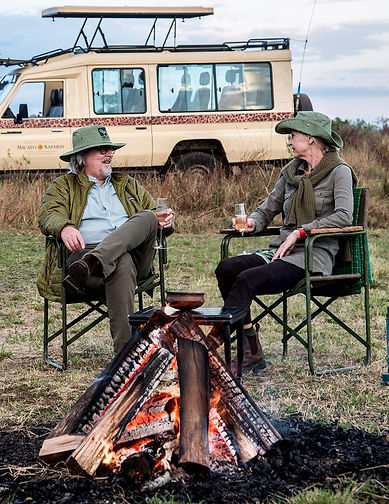
One of the first questions travelers ask is, "When is the best time to visit Africa?" The answer depends on where you'd like to go and the type of safari experience you're hoping to have. Many destinations offer outstanding wildlife viewing year-round, but seasonal changes can influence everything from animal migrations and newborn wildlife to birdwatching, photography, weather, and crowd levels. The Great Migration in Kenya and Tanzania, the lush green season in Botswana, and the dry winter months in South Africa each offer unique advantages.
At Majestic African Safaris, we'll help you choose the ideal time to travel based on your destination, interests, and schedule. Whether your priority is witnessing the Great Migration, photographing elephants against the backdrop of Mount Kilimanjaro, enjoying exceptional predator sightings, or taking advantage of quieter seasons and excellent value, we'll recommend the itinerary that's the best fit for you.
Explore our destination guides to learn more about seasonal wildlife viewing and weather throughout Africa, or contact us for personalized recommendations. With so many extraordinary safari experiences available throughout the year, there's truly no wrong time to begin your African adventure.
How Many Days Should You Spend on Safari?
If there's one thing we hear from returning guests, it's this: "I wish we had stayed longer."
While it's possible to enjoy an incredible safari in as little as seven or eight days, allowing 10 to 14 days gives you the opportunity to experience multiple destinations, encounter a greater variety of wildlife, and enjoy a more relaxed pace. Many travelers also choose to combine their safari with time in Cape Town, Victoria Falls, or the beaches of Zanzibar or Mozambique for the ultimate African adventure.
At Majestic African Safaris, every itinerary is designed around your schedule, interests, and travel goals. Whether you have one unforgettable week or several weeks to explore Africa, we'll create a personalized journey that makes the most of your time while ensuring a seamless travel experience.
No matter how long you stay, our goal is simple: to create a safari you'll never forget and one that leaves you dreaming about your return to Africa.
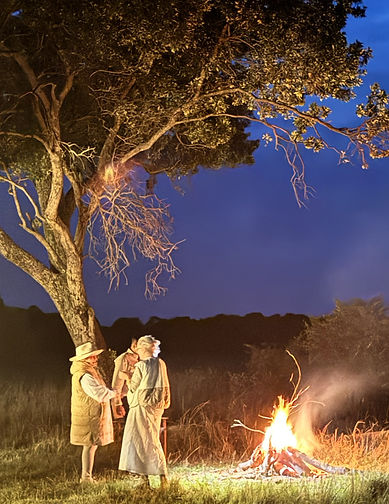
What's the Difference Between a Safari Camp and a Safari Lodge?

One of the most common misconceptions about an African safari is that "camping" means sacrificing comfort. In reality, today's luxury safari camps and safari lodges offer exceptional accommodations, outstanding service, and unforgettable settings. The biggest difference is their style and connection to the surrounding landscape.
Safari lodges are permanent structures, often featuring spacious guest rooms or private suites, beautifully designed common areas, swimming pools, fine dining, and expansive views. They combine the comforts of a luxury hotel with the excitement of being surrounded by Africa's extraordinary wildlife.
Luxury safari camps offer a more immersive bush experience while maintaining a remarkably high level of comfort. Guests stay in beautifully furnished canvas suites with real beds, en suite bathrooms, hot showers, electricity, and private verandas. Many also feature plunge pools, outdoor showers, and elegant interiors that blend seamlessly with the natural environment. Despite the name, there's nothing rustic about today's luxury tented camps.
For travelers seeking the ultimate in privacy, many destinations also offer exclusive-use villas and private safari homes. These properties are reserved entirely for your family or group and often include a dedicated team of guides, chefs, house staff, and personalized safari vehicles, creating a truly bespoke experience.
Whether you choose a luxury safari lodge, an elegant tented camp, or a private villa, you'll enjoy exceptional hospitality, spectacular wildlife viewing, and the opportunity to experience Africa's breathtaking landscapes in comfort and style. The best choice simply depends on the type of safari experience you're looking for, and we're here to help you find the perfect fit.
Who Will You be Traveling With?
Whether you're planning a romantic honeymoon, a family adventure, a milestone celebration, a trip with friends, or a solo journey, we'll design an African safari that's perfectly suited to your group and travel style.
Every traveler experiences Africa differently. Families may enjoy private guides and flexible schedules, couples often seek intimate luxury camps and unforgettable sundowner experiences, while groups of friends may prefer exclusive-use villas or private safari vehicles. Solo travelers can s from customized private safaris or carefully selected small group departures that offer both exceptional wildlife viewing and the opportunity to connect with fellow travelers.
At Majestic African Safaris, every itinerary is thoughtfully tailored to your interests, pace, and priorities. No matter who you're traveling with, we'll recommend the destinations, accommodations, and experiences that create an unforgettable safari designed just for you.

What About African Culture?

There's a saying we hear time and again: People come to Africa for the wildlife, but they leave in love with its people. While Africa's extraordinary wildlife is often the reason travelers book their first safari, the warmth, hospitality, and rich cultural traditions they encounter along the way frequently become some of their most cherished memories.
Depending on your destination and interests, your journey may include opportunities to visit local villages, meet Maasai or Samburu communities in Kenya, learn about the traditions of the San people in Botswana, or discover the diverse cultures, history, and cuisine that make each country unique. These experiences offer a deeper understanding of Africa beyond its incredible landscapes and wildlife.
At Majestic African Safaris, we believe the most meaningful cultural experiences are authentic, respectful, and community-focused. Whenever possible, we work with trusted local partners who create opportunities for genuine connections while supporting the people and communities that make these destinations so special.
An African safari is about far more than checking animals off a list. It's about experiencing the people, landscapes, traditions, and unforgettable moments that stay with you long after you've returned home.
What is the Weather Like on an African Safari?
Africa is a year-round destination, and the weather is generally ideal for safari travel. While conditions vary by country, region, and season, most travelers are pleasantly surprised by how comfortable the climate is.
In East Africa, including Kenya and Tanzania, daytime temperatures typically range from 70°F to 80°F (21°C to 27°C) throughout much of the year. Higher elevations, such as areas near Mount Kenya and the Ngorongoro Highlands, can be cool in the early mornings and evenings, so a light jacket or fleece is recommended. Lower elevations and coastal destinations, including Zanzibar, are warmer and more tropical.
In Southern Africa, destinations such as Botswana, South Africa, Zambia, Namibia, and Zimbabwe experience more distinct seasons. The dry winter months (approximately April through October) offer warm, sunny days, cool mornings, and excellent wildlife viewing. During the green season (November through March), temperatures are warmer and afternoon showers are possible, transforming the landscape into a lush, vibrant paradise while providing wonderful opportunities to see newborn wildlife and migratory birds.

No matter when you travel, we recommend dressing in lightweight layers. Early morning game drives can be cool, while afternoons often warm up quickly. Neutral-colored clothing, a light jacket, comfortable walking shoes, a hat, and sunscreen will help keep you comfortable throughout your safari.
When planning your trip, we'll provide destination-specific packing recommendations so you're fully prepared for the season and the regions you'll be visiting.
When is the Great Migration in East Africa?

The Great Migration is one of the world's most extraordinary wildlife spectacles, but it's important to know that it isn't a single event. It's a continuous, year-round journey as more than two million wildebeest, zebra, and gazelle move through Kenya's Maasai Mara and Tanzania's Serengeti in search of fresh grazing and water.
Because the herds are constantly on the move, the best time to visit depends on the experience you're hoping to have. From July through October, many travelers visit Kenya's Maasai Mara to witness the dramatic Mara River crossings. During other times of the year, the migration unfolds across different regions of the Serengeti, including the southern plains where thousands of wildebeest calves are born between late January and March.
Even if your safari doesn't coincide with a famous river crossing, East Africa offers exceptional wildlife viewing throughout the year. Lions, elephants, leopards, cheetahs, giraffes, and countless other species can be found year-round, making every safari unique and unforgettable. At Majestic African Safaris, we'll recommend the ideal travel dates based on the specific migration experience you're hoping to witness, while also considering weather, crowd levels, and the many other incredible wildlife encounters that make Kenya and Tanzania world-renowned safari destinations.
What Should I Wear on an African Safari?
Comfort is the key to dressing for an African safari. While the classic Out of Africa look is certainly timeless, today's safari travelers are just as likely to wear lightweight hiking pants, moisture-wicking shirts, comfortable walking shoes, and a wide-brimmed hat. Neutral colors such as khaki, olive, tan, and brown are recommended because they blend naturally with the environment and are less likely to attract insects than bright or dark colors. It's also a good idea to avoid camouflage clothing, as it is restricted in some African countries.
Layering is the best approach. Early morning game drives can be cool, especially during the dry season, while afternoons often warm up quickly. A lightweight fleece or jacket, paired with breathable clothing that can be added or removed throughout the day, will keep you comfortable in changing temperatures. In fact, many safari camps and lodges offer laundry service, so there's no need to overpack. Because bush flights often have strict luggage limits, we recommend traveling with a soft-sided duffel bag and packing only the essentials.
When you book with Majestic African Safaris, we'll provide a detailed packing guide tailored to your itinerary, including luggage recommendations, seasonal clothing suggestions and helpful items to make your safari even more comfortable.

Should I Purchase Travel Insurance for My African Safari?

Yes. We strongly recommend purchasing comprehensive travel insurance for every African safari. A safari is a significant investment, and travel insurance can help protect you against unexpected events before and during your trip. Depending on the policy you choose, coverage may include trip cancellation or interruption, medical expenses, emergency medical evacuation, baggage loss or delay, and travel delays caused by weather or airline disruptions. Because many safari itineraries include international flights, regional flights, remote destinations, and luxury accommodations with cancellation policies, travel insurance offers valuable peace of mind should unforeseen circumstances arise.
We recommend purchasing your policy soon after making your initial trip payment, as some time-sensitive benefits may only be available when coverage is purchased early. While you're welcome to choose any reputable travel insurance provider, we're happy to recommend companies that offer coverage well suited to African safari travel and answer any questions you may have before your departure.
Our goal is simple: to help ensure that you're protected so you can relax and enjoy every moment of your African adventure with confidence.